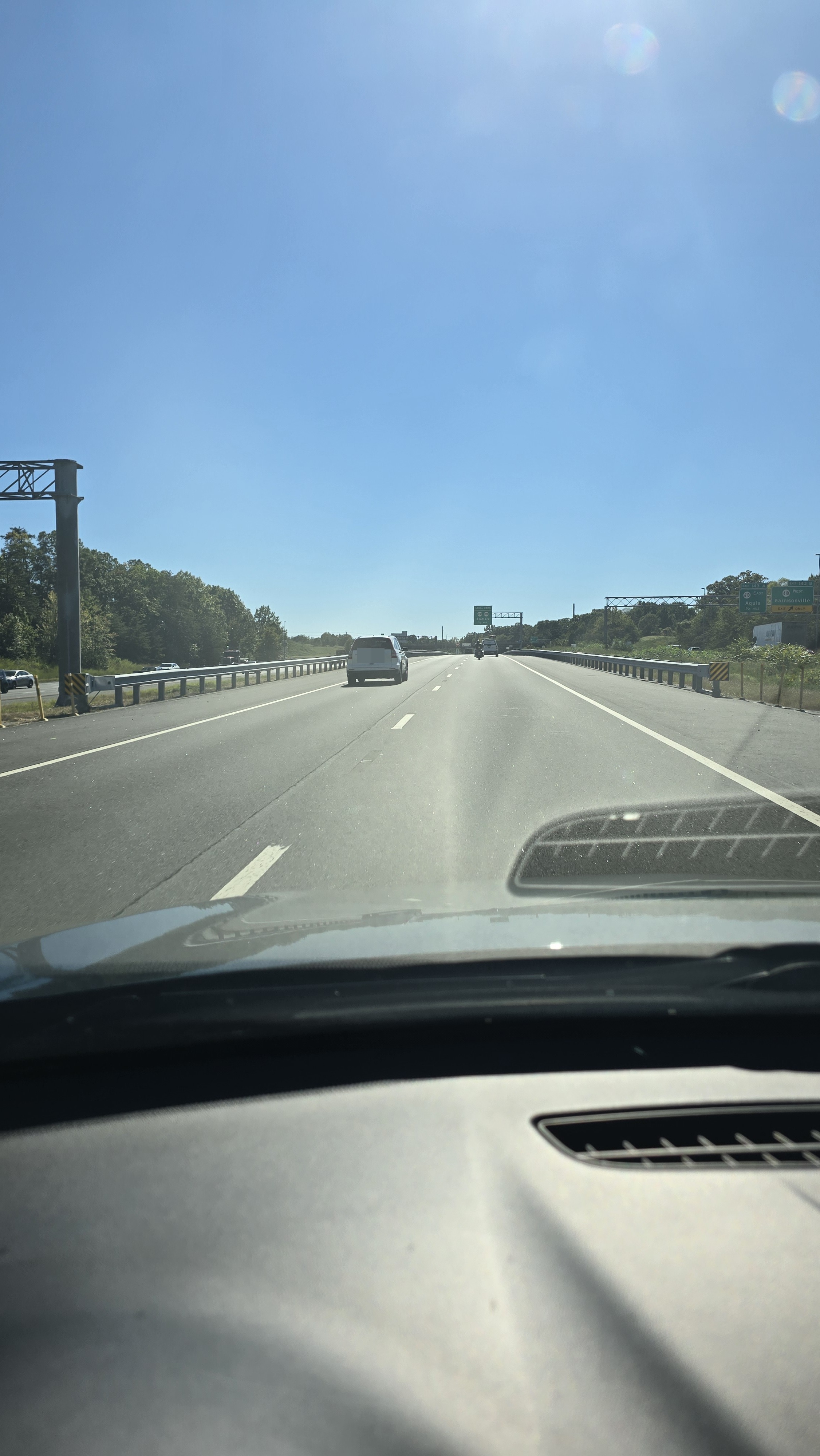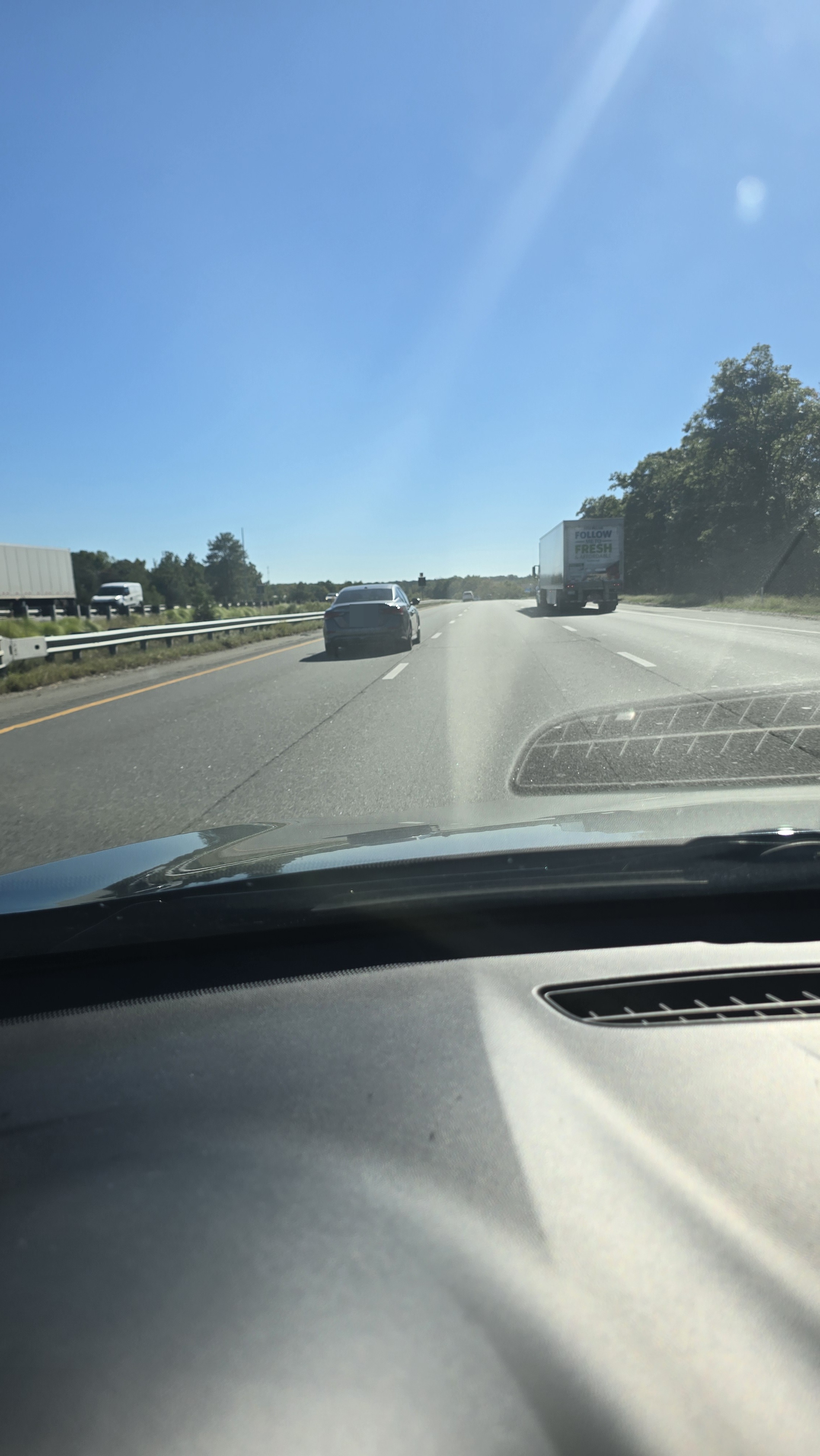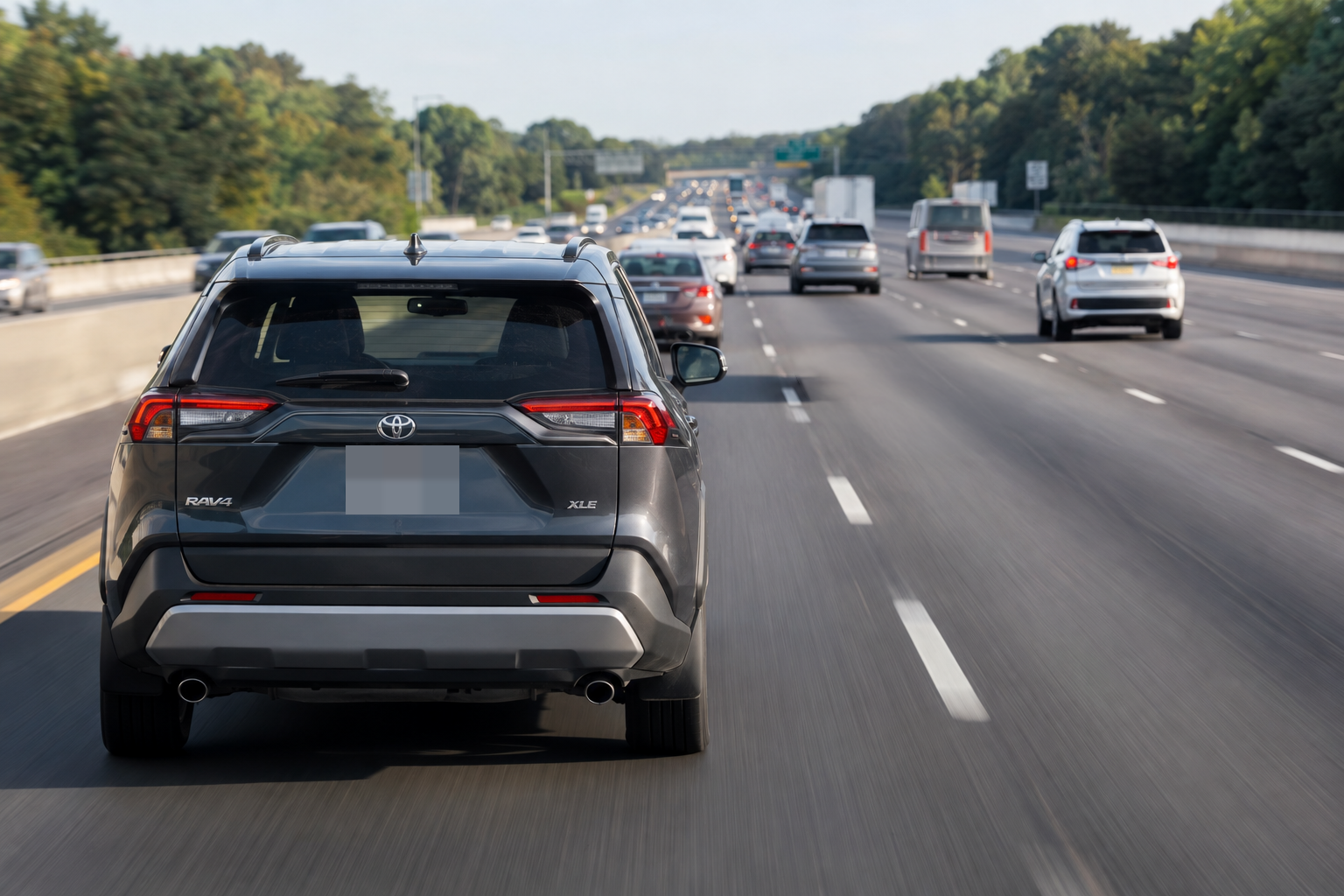
It is one of the most common arguments on the highway:
“I’m doing the speed limit. Why should I move over?”
At first glance, the answer seems obvious. If the posted speed limit is 65 mph and you are traveling at 65 mph, it can feel like you are doing exactly what the law requires.
But that question combines two different sets of rules: speed laws and lane-use laws.
Those rules do not always say the same thing, and one does not automatically cancel out the other.
Speed Limits and Lane Rules Are Different Laws
A speed limit tells you the maximum lawful speed under normal conditions.
Lane-use laws deal with where vehicles should travel, when drivers should keep right, when they may use the left lane, and when they should yield that lane to other traffic.
That means it is possible for two drivers to be dealing with two completely different legal issues at the same time.
For example:
- One driver may be exceeding the speed limit.
- Another driver may be occupying a lane that state law expects slower or non-passing traffic to leave.
The fact that one driver may be speeding does not automatically determine whether another driver is using the left lane correctly.
So Does Driving the Speed Limit Give You the Right to Stay Left?
Not necessarily.
The answer depends on the law where you are driving.
Some states emphasize keeping right except when passing. Others focus on vehicles traveling slower than the normal flow of traffic. Some require drivers to yield the left lane when another vehicle approaches from behind under certain conditions.
Because those statutes are written differently, there is no single nationwide answer.
For a broader explanation, see Is the Left Lane Only for Passing?
What Does “Normal Speed of Traffic” Mean?
This is one of the most important phrases in many lane-use laws.
It does not necessarily mean the posted speed limit.
Some laws refer to a vehicle traveling slower than the normal speed of traffic at that time and place, considering existing conditions.
Virginia, for example, requires a vehicle traveling at less than the normal speed of traffic to use the lane nearest the right edge when that lane is available, except when passing, preparing for a left turn, or under certain other circumstances. :chatgpt-content-reference{index="0"}
That wording is important because it focuses on traffic movement and lane position, not only the number shown on the speedometer.
But What If Everyone Else Is Speeding?
This is where the issue becomes emotionally charged.
Suppose the speed limit is 65 mph.
You are traveling at 65 mph in the left lane, while several vehicles behind you want to travel at 70 or 75 mph.
You may reasonably think:
“They are speeding. I am not the one doing anything wrong.”
But lane discipline is generally not about deciding whether the driver behind you deserves to pass.
Your responsibility is to follow the rules that apply to your own vehicle.
If state law requires you to keep right when not passing, or to move right when traveling slower than surrounding traffic, the speeding behavior of another driver does not necessarily cancel that requirement.
Likewise, the faster driver is still responsible for obeying speed limits, following at a safe distance, and avoiding aggressive driving.
You Are Not Traffic Enforcement
One of the worst things drivers can do is turn the left lane into a personal enforcement zone.
A driver may think:
“If I move over, I am helping someone speed.”
That can lead to intentionally staying in the lane, matching another vehicle’s speed, blocking a pass, or refusing to move simply because the driver behind is traveling faster.
That usually makes the situation worse.
It can lead to:
- tailgating,
- passing on the right,
- rapid lane changes,
- brake-checking,
- road rage,
- and more conflict between drivers.
It is generally safer to let law enforcement deal with speeding violations rather than trying to control another driver’s speed with your own vehicle.
What Does Virginia Law Say?
Virginia gives us a useful example of why the wording of the law matters.
Virginia Code § 46.2-802 generally requires drivers to stay on the right half of the highway, with exceptions that include overtaking and passing. A violation of that section carries a $100 fine. :chatgpt-content-reference{index="1"}
Virginia Code § 46.2-804 also states that a vehicle traveling at less than the normal speed of traffic must use the lane nearest the right edge when available, except in circumstances such as passing or preparing for a left turn. :chatgpt-content-reference{index="2"}
Virginia also has additional restrictions for certain commercial vehicles on interstate highways. :chatgpt-content-reference{index="3"}
The point is not that every state uses Virginia’s rule. The point is that lane law can impose requirements independent of the posted speed limit.
You can review state-specific rules in our Left Lane Laws by State section.
What If You Are Actively Passing Someone?
If you are legitimately passing another vehicle, you do not need to make an unsafe move simply because someone is approaching quickly from behind.
Complete the pass safely.
Do not:
- cut immediately in front of the vehicle you just passed,
- swerve into a small gap,
- accelerate beyond what is safe just because someone is behind you,
- or panic because another driver is impatient.
Once you have completed the pass and there is a safe opening to the right, that is usually the time to return to the right lane when the law and traffic conditions call for it.
What If You Are Passing Several Vehicles?
You do not necessarily have to move right between every single vehicle.
If you are steadily overtaking a line of slower traffic, remaining in the left lane while completing those passes may be reasonable.
The key distinction is whether you are actually passing traffic or simply remaining in the left lane because it is more convenient.
There is a difference between:
“I am currently passing several slower vehicles.”
and:
“I might eventually catch another vehicle, so I am staying here.”
What If Traffic Is Congested?
Heavy traffic changes the situation.
When every lane is full and traffic is moving slowly, the normal passing-lane pattern may break down.
There may simply be nowhere to move.
In congestion, the goal becomes maintaining a safe following distance, avoiding unnecessary lane changes, and moving with the traffic around you.
Left-lane rules still exist, but real-world traffic conditions matter.
What If There Is a Left Exit?
Some highways have exits on the left side.
A driver may need to move left in advance of the exit and remain there long enough to follow the route safely.
Lane laws often include exceptions for preparing for a left turn or similar roadway movements.
This is another reason it is risky to assume every vehicle in the left lane is simply “camping.”
Should You Move Over for Someone Tailgating You?
If someone is following dangerously close, the priority is safety.
Do not brake-check them.
Do not deliberately slow down to make a point.
Do not accelerate into an unsafe situation.
If you can safely move right, creating distance between yourself and an aggressive driver is often the better choice.
If you cannot move safely, maintain a predictable speed and wait for a safe opportunity.
Does Moving Right Mean the Other Driver Is “Right”?
No.
Moving right is not an admission that another driver has the right to speed.
It is simply lane management.
The faster driver remains responsible for obeying the law.
You remain responsible for obeying the laws that apply to your lane use.
Those responsibilities can exist at the same time.
Why This Argument Happens So Often
The disagreement comes from two different ways of thinking about the road.
One driver thinks:
“The speed limit controls everything.”
The other thinks:
“The left lane belongs to whoever is going faster.”
Neither idea is completely accurate.
The speed limit still applies in the passing lane, and faster drivers do not own it.
But the left lane may also have specific rules about passing, slower traffic, or yielding that apply regardless of whether a driver is traveling exactly at the posted limit.
What Is the Best Practical Approach?
A simple rule of thumb is:
- Use the left lane primarily for passing where appropriate.
- Complete your pass safely.
- Move right when you are no longer passing and it is safe to do so.
- Do not use your vehicle to control another driver’s speed.
- Do not tailgate someone who is legitimately passing.
- Follow the specific lane-use laws in the state where you are driving.
That approach reduces unnecessary conflict and makes traffic more predictable.
So, If You’re Doing the Speed Limit, Do You Still Have to Move Right?
Sometimes, yes.
Driving the speed limit does not automatically give you an unlimited right to remain in the left lane.
The exact answer depends on the state, the roadway, traffic conditions, whether you are actively passing, and how that state’s lane-use law is written.
The better question is not:
“Am I going fast enough to stay here?”
It is:
“Am I using this lane the way the law and traffic conditions expect me to?”
For more background, read Why Do People Drive Slowly in the Left Lane? and Is the Left Lane Only for Passing?
And for state-specific rules, visit our Left Lane Laws by State guide.