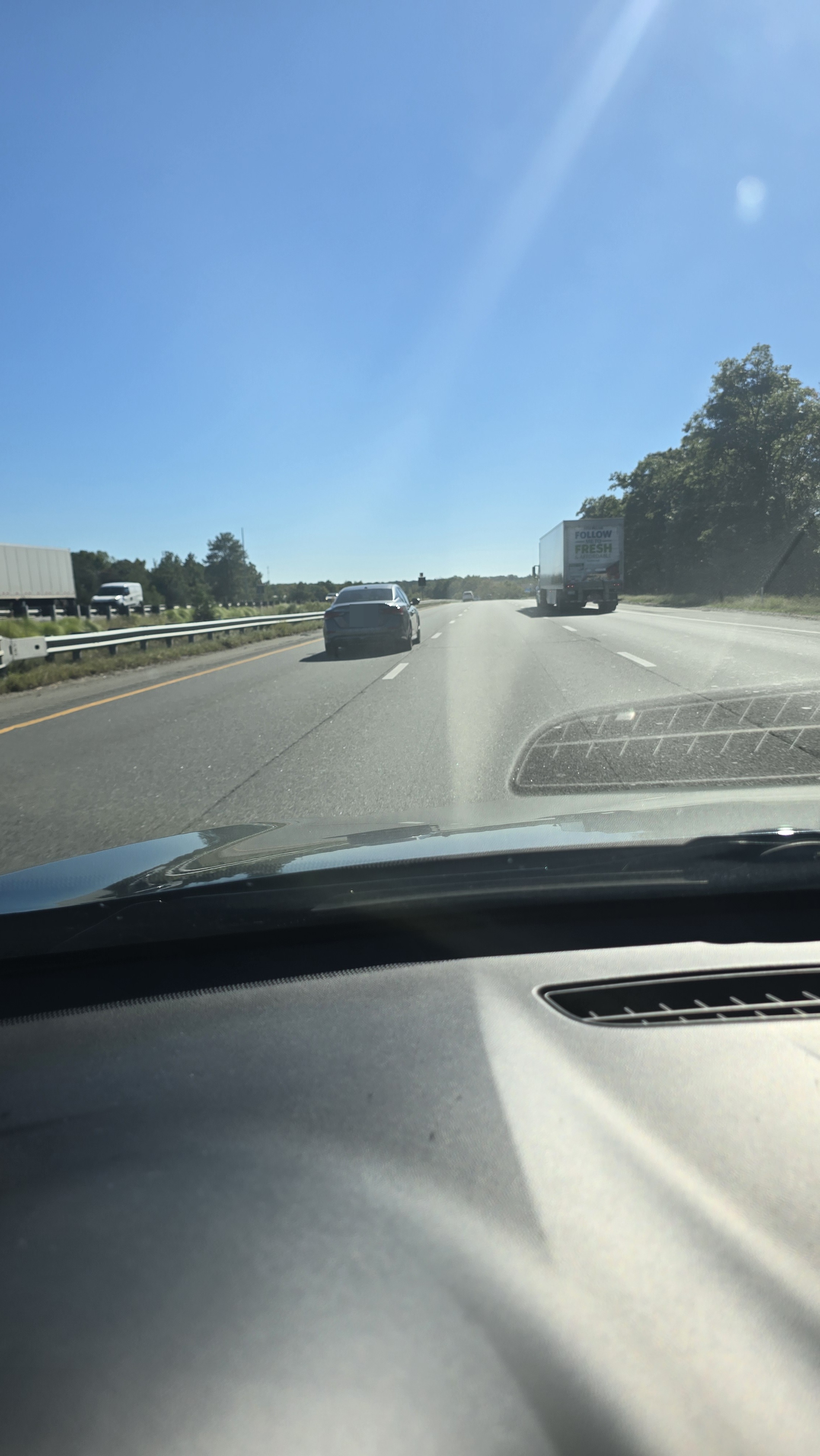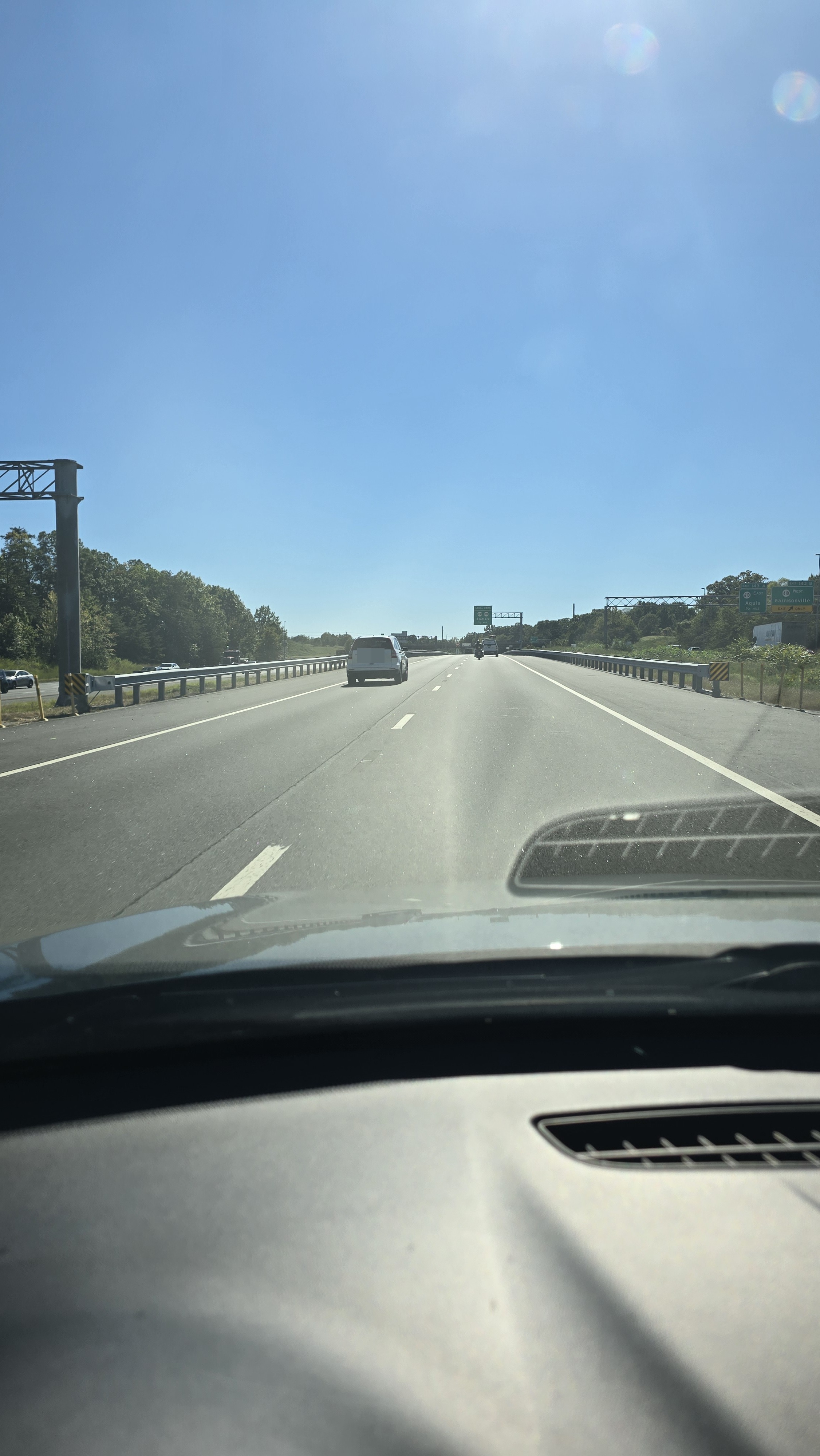
Ask a group of drivers what the left lane is for and you will probably get several different answers.
Some will say it is strictly a passing lane. Others believe they can stay there indefinitely as long as they are driving the speed limit. And some treat every lane on a multi-lane highway as interchangeable.
The reality is more complicated: left-lane laws vary by state, but the general principle behind them is remarkably consistent. The left lane is primarily intended for passing, while slower or non-passing traffic is generally expected to keep right.
Why Do We Have a Left Passing Lane?
On a highway with multiple lanes traveling in the same direction, drivers naturally move at different speeds.
Keeping slower traffic to the right creates an organized pattern:
- Slower traffic stays toward the right.
- Faster traffic can move left to pass.
- After completing the pass, drivers return to the right when practical.
This reduces unnecessary lane changes and allows traffic moving at different speeds to flow around one another more predictably.
When vehicles remain in the left lane without passing, faster traffic begins accumulating behind them. Drivers may then start changing lanes and passing on the right, creating additional interactions between vehicles.
Is It Actually Illegal to Stay in the Left Lane?
That depends on where you are driving.
States do not all use exactly the same type of left-lane law. Some states require drivers to keep right except when passing. Others focus specifically on vehicles traveling slower than the normal flow of traffic. Some require a driver to move right when another vehicle approaches from behind.
There can also be exceptions for situations such as:
- Passing another vehicle.
- Preparing for a left exit or left turn.
- Avoiding an obstruction.
- Responding to road or traffic conditions.
- Following directions from signs, police, or traffic-control devices.
Because the exact rule varies by state, drivers should check the law where they are traveling rather than assuming one nationwide rule applies everywhere.
What Does “Slower Traffic Keep Right” Mean?
This is where many disagreements begin.
“Slower traffic” does not necessarily mean only vehicles traveling below the posted speed limit. Some laws refer to traffic moving slower than the normal speed of traffic under the conditions at that time.
Florida, for example, requires a vehicle traveling at less than the normal speed of traffic to use the right-hand lane when available, except when passing or preparing for a left turn.
The exact wording matters because lane-use rules and speed-limit rules address different issues.
What If You're Already Driving the Speed Limit?
This is probably the most common argument surrounding the left lane:
“I'm doing the speed limit, so why should I move?”
Driving at the posted speed limit does not automatically answer the lane-use question. Whether you are permitted to remain in the left lane depends on the law of the state and the circumstances.
A driver exceeding the speed limit may be violating one law, while another driver unnecessarily occupying a restricted passing lane could potentially be violating a different law. One driver's speeding does not necessarily give another driver authority to regulate that driver's speed by blocking the lane.
The safest approach is not to police other motorists. Complete your pass, move right when the law and traffic conditions call for it, and let law enforcement handle speeding violations.
Virginia Is a Good Example of Why Wording Matters
Virginia law requires vehicles to drive on the right half of a highway except in circumstances including overtaking and passing. A violation of that provision carries a $100 fine. Virginia also has additional lane restrictions that apply to certain commercial vehicles on interstate highways. :chatgpt-content-reference{index="1"}
That illustrates why statements such as “the left lane is always illegal except while actively passing” can be too broad. Each state's actual statute should be checked rather than relying only on a slogan or highway sign.
You can see our state-specific information in the Left Lane Laws by State section.
Why Left-Lane Camping Causes Problems
Even when drivers are not thinking about traffic law, extended left-lane cruising can affect traffic flow.
Imagine three vehicles traveling close together in the left lane while the right lane is relatively open. A faster vehicle approaches from behind but cannot pass normally on the left.
That driver now has several choices, none of which is ideal:
- Slow down and join the growing line.
- Move right and attempt to pass there.
- Make multiple lane changes looking for an opening.
- Follow too closely out of frustration.
The problem is not simply that someone was forced to drive a little slower. Blocking the natural passing lane can cause additional braking and lane changes throughout the traffic stream.
Does That Mean the Fastest Driver Owns the Left Lane?
No.
A passing lane is not a private lane for whoever wants to drive fastest. Every driver still has to obey speed limits, follow at a safe distance, signal lane changes, and operate safely.
A driver who is legitimately passing another vehicle does not need to instantly cut into an unsafe gap simply because a faster vehicle appears behind them.
Lane discipline works in both directions:
- Don't unnecessarily occupy the passing lane.
- Don't tailgate or intimidate someone who is legitimately passing.
When Should You Move Back Right?
Once you have safely completed your pass and there is a reasonable opening in the right lane, moving back right is generally the predictable thing to do.
Do not cut closely in front of the vehicle you just passed. Leave enough room before returning to the lane.
Likewise, constantly weaving between lanes to gain a few seconds is not good lane discipline. The goal is predictable traffic movement, not maximum lane-changing activity.
What About Passing on the Right?
Passing on the right is permitted under some circumstances, but rules vary.
For example, Virginia permits passing on the right on certain sufficiently wide multi-lane roadways, provided the movement can be made safely. It generally does not allow using the shoulder simply to pass another vehicle. :chatgpt-content-reference{index="2"}
Even where passing on the right is legal, orderly lane discipline reduces how often drivers need to do it.
So, Is the Left Lane Only for Passing?
The best answer is: often, but the exact legal rule depends on the state.
Some states have strong keep-right-except-to-pass rules. Others allow broader left-lane use but require slower traffic to move right or require drivers to yield the lane under certain conditions.
Regardless of the exact wording, the basic highway-driving principle remains useful:
Use the left lane to pass, avoid unnecessarily blocking faster traffic, and move right when it is safe and appropriate.
That does not excuse speeding or aggressive driving. It simply keeps traffic more predictable and gives drivers room to pass without unnecessary weaving.
Check the Rule in Your State
Because left-lane laws differ across the country, we are building a state-by-state guide based on official statutes and government sources.
Visit our Left Lane Laws by State page to see the law where you drive.